Black Is Beautiful 2026 – Combahee River Collective
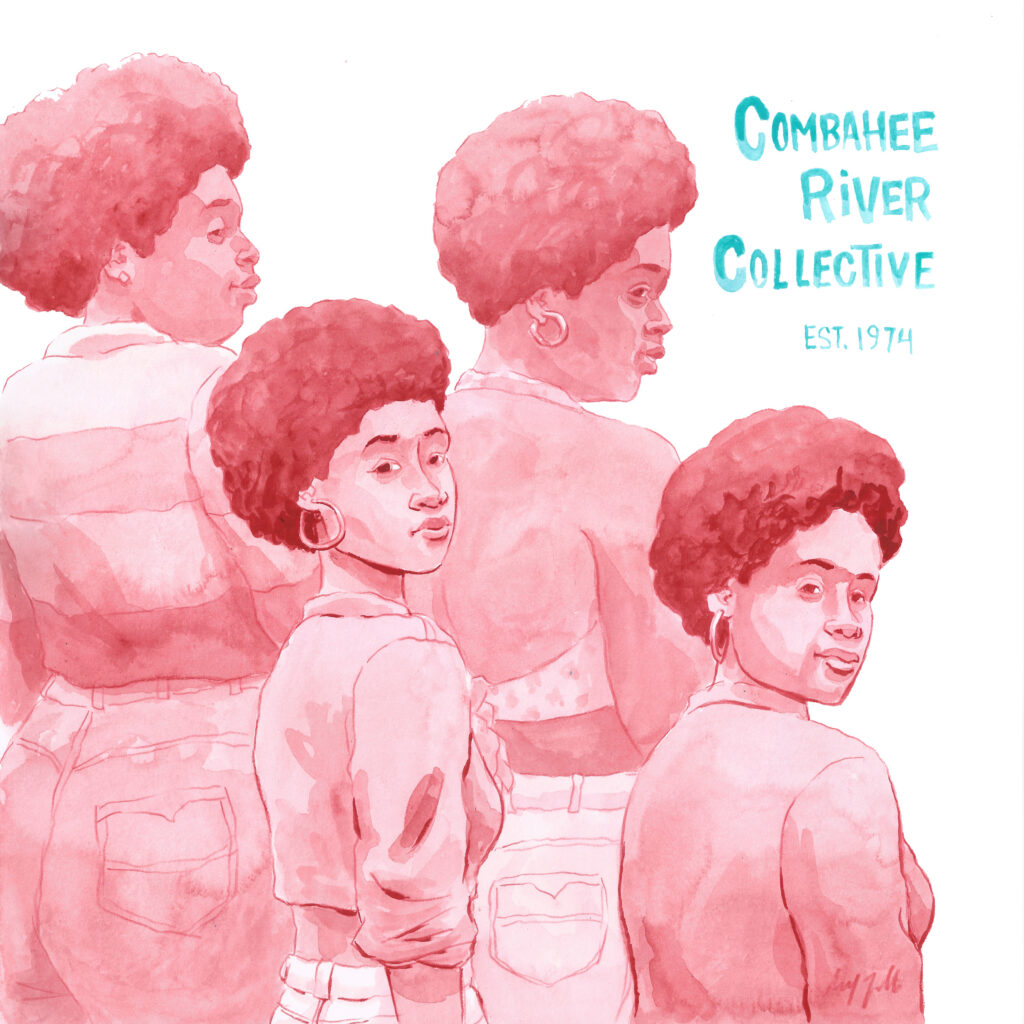
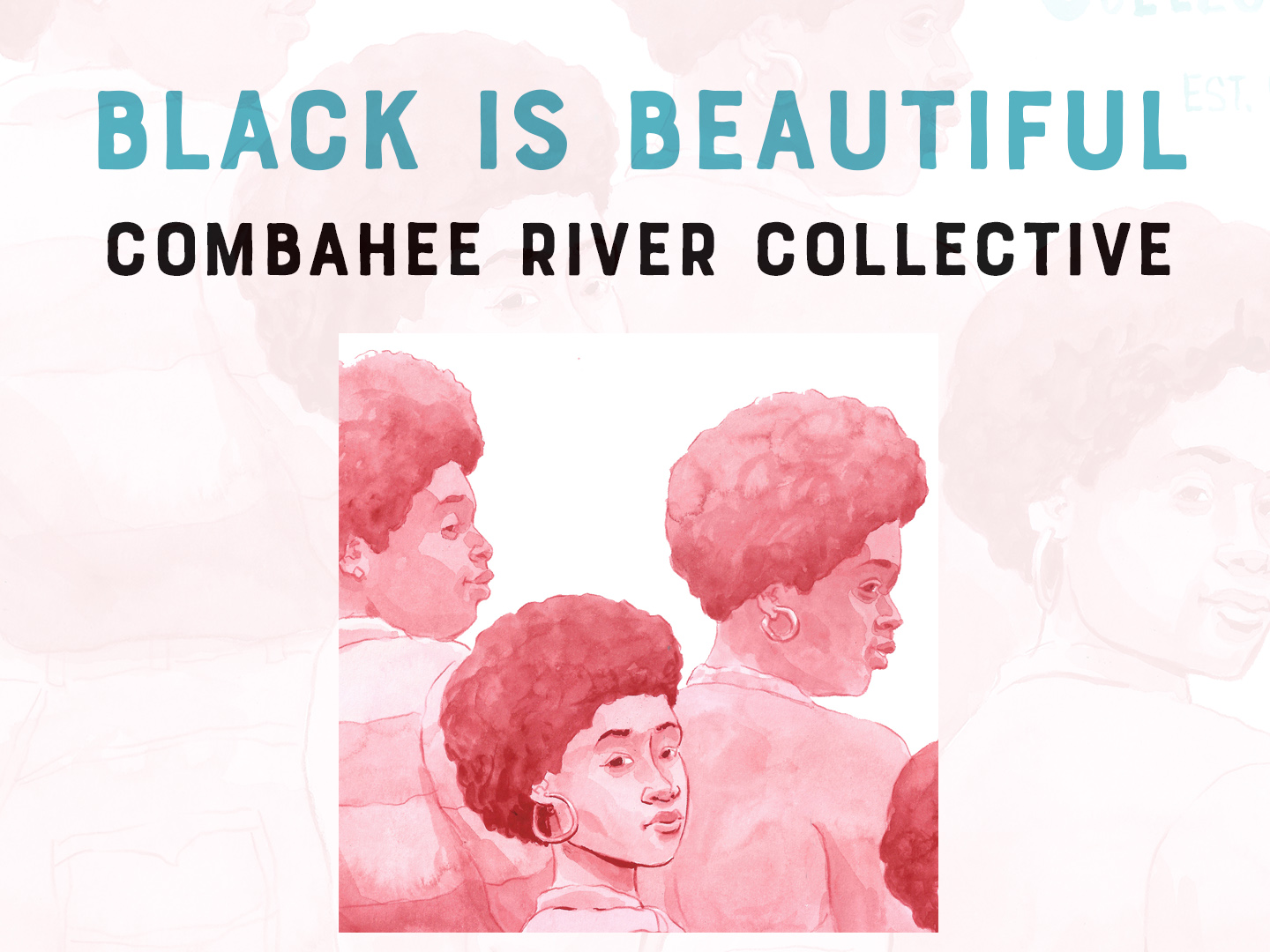
This is a crew of bad ass women who’s statements echo today and whose voices are still strong. The Combahee River Collective (1974-1980) is a crew, clique, or family founded by Black women out in the Boston area. They are Black, they are women, Queer, and Radical in their politics. “The name”Combahee” refers to the river in South Carolina that Harriet Tubman used to free over 700 enslaved Black folks. In the 60s and 70s we had a lot of movements for civil rights, independence, and social change happening but in separate silos. Meaning some knew their issue, but not others. So, these sisters came from different groups and formed their own. They wrote a statement that gave analysis to movements happening and how they “connected”. This definition was ground breaking back then and is still used by scholars, students, and activists today. Before the term intersectionality, there was Combahee. Celebrating , not ignoring their many identities and helping folks get that oppression is coming for all of us so we better stand with each other, rather than apart. As a group these women who were activists, artists, teachers, writers, etc worked on campaigns to support abortion rights, they stood against sterilization, against domestic violence and attacks against women, they stood up for their Queer and trans family, they were anti-war, anti establishment, and they advocated for solidarity between people fighting oppression. Members included: Gloria Akasha-Hill, Cheryl Clarke, Demita Frazier, Audre Lorde, Chirlane McCray, Margo Okazawa-Rey, Sharon Page-Ritchie, Beverly and Barbara Smith, Helen Stewart, and Mercedes Tompkins.
Why is this important? There are some folks within the Black Power, Feminist, Queer rights, or Social justice movement who pretend like one of the others ain’t shit. You may have seen it. But, I think some would agree, we’re stronger together (w/ hard discussions & principled struggle or disagreements). That means letting go of a lot of EGO and petty shit.
Sources: Black Women Radicals, Democracy Now, BLK History in 2 minutes or so, Wikipedia
Dig this? Check out my piece on Olive Morris, Claudia Jones, or Margaret Sloan.